- Historically this is the most common type of of title sequence.
- Involves different kinds of type face on a black background.
- Usually a white type face is used on a black background to create a high contrast.
First title sequence I analysed: Psycho
- A very fast paced title sequence.
- Includes non-digetic music.
- Visual quality could have been improved.
Second title sequence i analysed: Pulp Fiction:
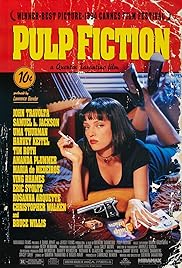
- Contains overlapping credits.
- Non-digetic background music.
2) Titles on still images:
- This is more elaborate than simple white text on a black background, historically title cards developed to include hand drawn borders and other images.
- This category of title sequence indicated a move past just text but a way to incorporate text with a visual image to hint at the tone or genre of the film.
3) Titles over moving images:
- This category incorporates the credit titles with moving image behind the titles, sound and usually no dialogue.
- The moving image serves to offer either a metaphor or narrative thread.
- The narrative thread is to help introduce the tone /story lines of the film to the audience.
The first title sequence I analysed: Rear Window
- Includes credits of cast members, director, producers, etc.
- Includes non-digetic music.
Second title sequence i analysed: Cidade de deus
- Digetic sounds of knives cutting and people talking.
- Includes credits.

4) Titles using Animation or Motion:
- In the late 1990's the use of animation text in title sequences became more popular.
- The titles themselves became part of the moving image and are integrated together with the images.
- These title sequences require a lot of digital technology and stylised editing.
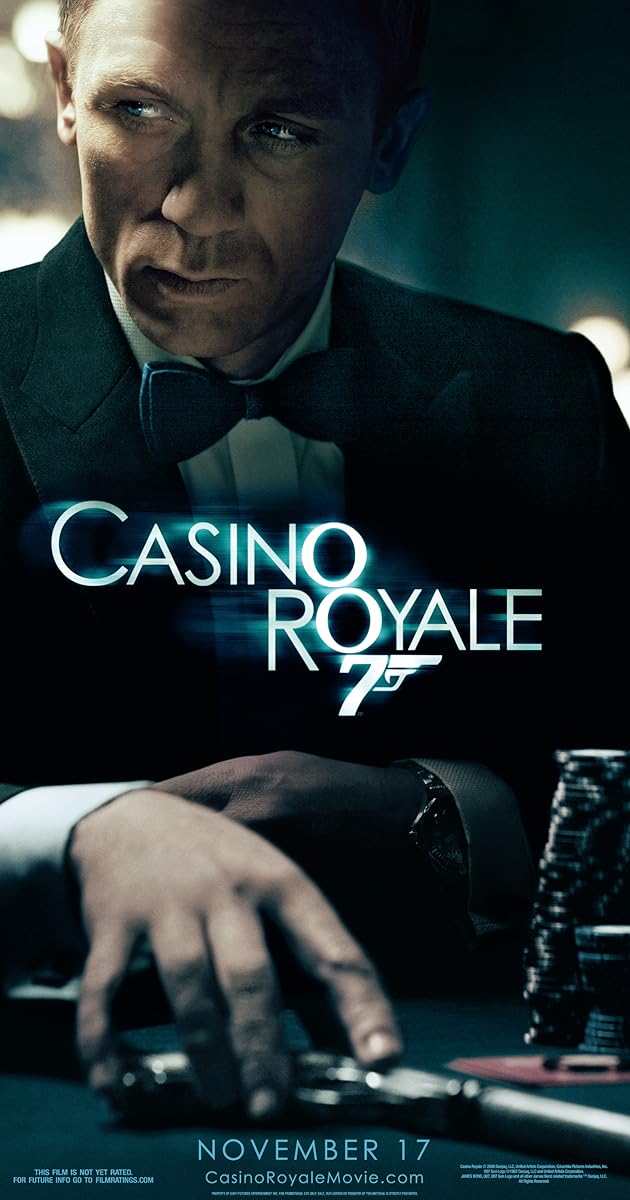
First title sequence i analysed: Casino Royale
- Stylised
- Includes credits
- Non-digetic sound of music
Second title sequence i analysed: A Steven Spielberg film
- Includes credits

- Non-digetic sound of music.

No comments:
Post a Comment